After-hours dealership calls: turn an enquiry into a clear next step
A practical workflow for handling evening dealership enquiries, collecting useful vehicle details and preparing a sales callback without guessing stock availability.
The short answer
A useful after-hours dealership workflow captures who called, which vehicle they mean, what they want to discuss and how to reach them. It gives the sales team a clear follow-up while leaving stock availability, pricing and test-drive arrangements to an authorised person or a verified connected system.
- Ask for a stock reference or vehicle description so sales does not start from scratch.
- Keep a sales callback separate from a confirmed test drive or service booking.
- Agree on a next step the dealership can actually deliver.
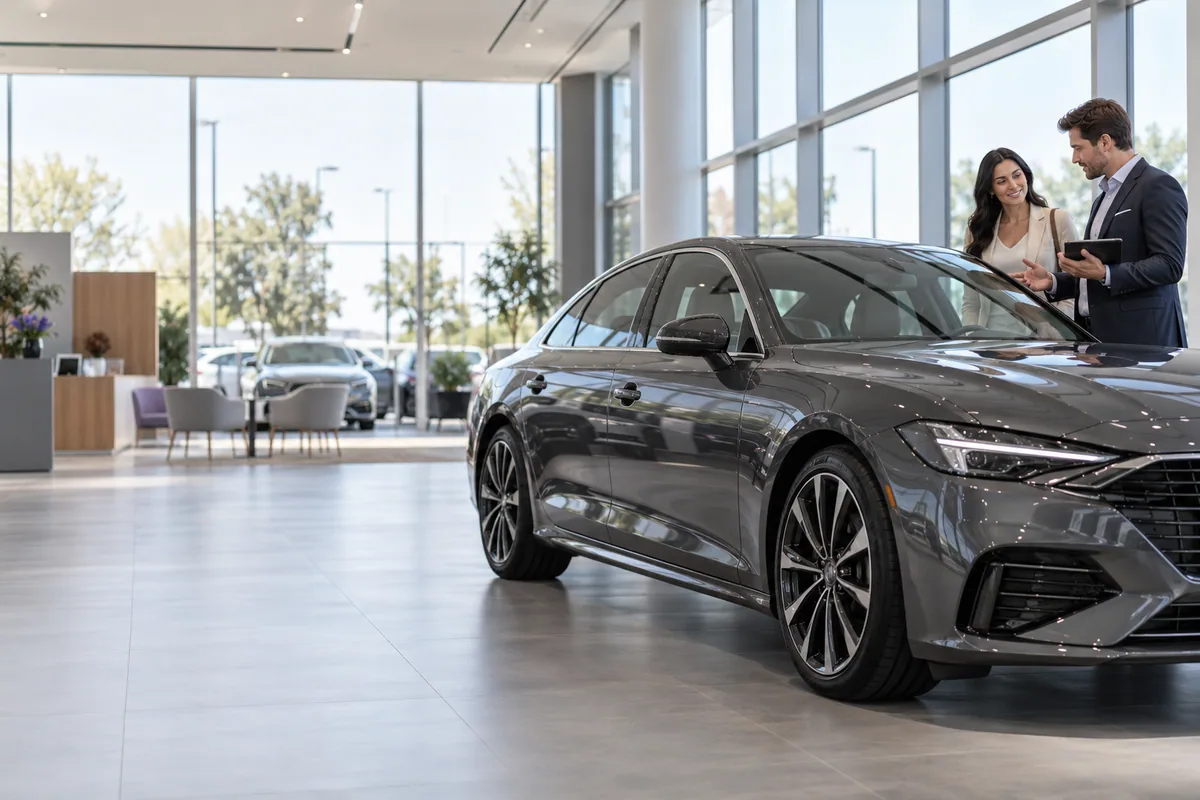
A shopper finds a car online after work and calls the dealership. Your doors are closed, but the customer is ready to ask questions.
The job of the first conversation is straightforward: help the customer explain what they need, then give the sales team enough context to follow through.
What should the customer hear first?
Start with the dealership’s name and a helpful greeting. If the system is an AI receptionist, be clear about that rather than pretending the caller has reached an on-duty salesperson.
The receptionist can explain the next available action. That might be collecting an enquiry for tomorrow or arranging a sales callback within configured hours. It should not imply that the showroom or workshop is currently staffed when it is not.
An illustrative opening could be:
Thanks for calling. I’m the dealership’s AI receptionist. I can take your enquiry and help arrange a call from the team. Which vehicle are you interested in?
This is an example greeting, not a recording of a customer call.
Which details make the callback useful?
A name and number are helpful. A name, number and the right context are better.
Ask for the stock reference where possible. If the caller cannot find it, collect the make, model, colour or listing description they can see. Do not force them to repeat details they have already provided.
The resulting enquiry might look like this:
| Field | Illustrative value |
|---|---|
| Customer | Chris Allen |
| Vehicle | Blue hatchback, stock B214 |
| Interest | Test drive and trade-in discussion |
| Preferred contact | Tomorrow after 3 PM |
| Next action | Sales to check the vehicle and arrange a callback |
Keep the contact number with the record, confirm it back to the caller and avoid displaying real customer details in public examples.
What should remain unconfirmed?
Without a verified live inventory connection, the receptionist should not claim that stock B214 is still available. The same caution applies to a negotiated price, finance eligibility, trade-in value or a test-drive slot.
Useful language is specific about the next action:
- “I’ll ask sales to check that vehicle” is different from “It is definitely available.”
- “We can arrange a call to discuss a test drive” is different from “Your test drive is booked.”
- “I’ll pass your preferred service day to the advisor” is different from reserving workshop capacity.
The aim is not to make the conversation less helpful. It is to avoid creating a promise the team has not agreed to fulfil.
How does the enquiry become a follow-up?
Use a simple handover:
- Capture: save the caller’s details, vehicle reference and request.
- Arrange: agree on the next permitted action, such as a sales callback.
- Review: let the dealership verify the vehicle and any special arrangements before confirming them.
If a calendar callback is supported, check the business timezone and available hours before offering a slot. If the event cannot be saved, keep the request open for staff instead of reporting it as confirmed.
What should the team review the next morning?
Look for missing contact information, requests without an assigned next action and callbacks that need attention. Read the summary alongside the conversation where something is unclear.
Keep reviewing the early conversations as you adjust the receptionist’s instructions. A useful workflow should make the next human conversation easier, not create another inbox nobody checks.
See the automotive solution for a sales-and-service workday example, or read our AI receptionist guide for a broader setup checklist.
Frequently asked questions
Can the receptionist confirm whether a car is in stock?
Only if it has verified access to current inventory information and permission to answer. Without that connection, it should collect the vehicle reference and ask the sales team to check rather than guessing availability.
Is a sales callback the same as booking a test drive?
No. A callback reserves time to speak with the customer. A test drive may also require a vehicle, staff member and dealership-specific checks. Those arrangements should be confirmed separately unless a verified workflow supports them.
What details should an after-hours vehicle enquiry include?
Capture the customer’s name, callback number, vehicle or stock reference, reason for calling and preferred contact time. Collect additional information only when it is useful for the agreed next step.